
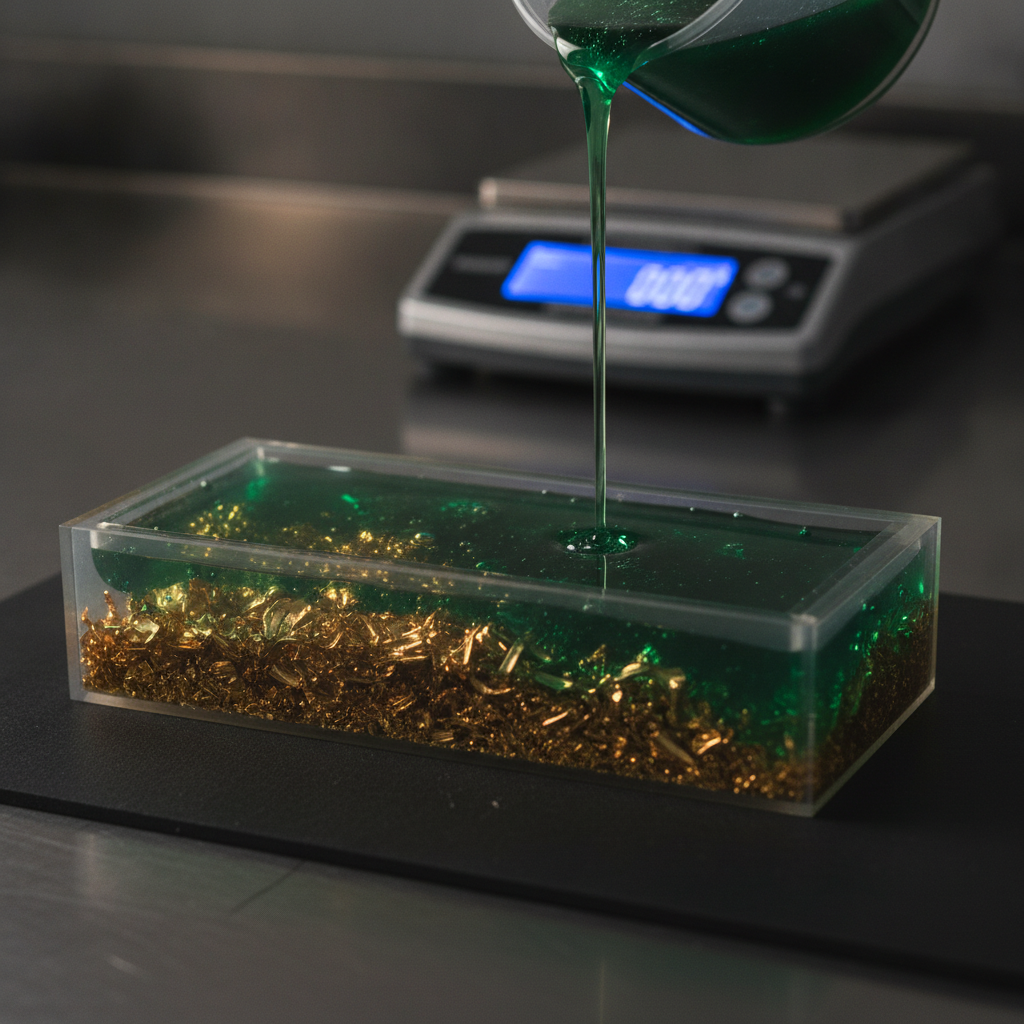
Orgonite, as conceptualized by Karl Hans Welz, is a composite material designed to interact with orgone energy, a universal life force postulated by Wilhelm Reich. Its effectiveness, according to Welz’s framework, is heavily dependent on the precise ratio of its primary components: metal particles and transparent casting resin. This article delves into the significance of the Welz 50/50 formula, exploring why this specific orgonite density ratio is considered optimal for its intended energetic functions.
What is the Optimal Orgonite Density Ratio According to Welz’s Formula?
The optimal orgonite density ratio, as established by Karl Hans Welz, is an approximate 50/50 volumetric balance of metal shavings to transparent casting resin. This specific proportion is theorized to create the most effective matrix for attracting, compressing, and converting orgone energy. Achieving this balanced density is fundamental to the material’s purported energetic properties and performance.
Welz’s 50/50 formula is a cornerstone of his orgonite theory, distinguishing it from earlier orgone accumulators. While Wilhelm Reich’s orgone accumulator primarily gathered and concentrated orgone energy, Welz postulated that orgonite, with its specific composition, could also transmute stagnant or negative orgone (DOR) into a more vital, positive form (OR). This transformative capacity is believed to be maximized when the metal and resin components are present in roughly equal volumetric parts, creating a dynamic energetic interface.
Why is the 50/50 Metal-to-Resin Ratio Crucial?
The 50/50 metal-to-resin ratio is crucial because, according to Welz’s theory, it creates a balanced energetic environment within the orgonite matrix. This equilibrium allows for both the attraction and repulsion of orgone energy, facilitating its transformation. The alternating layers of organic (resin) and inorganic (metal) materials are theorized to establish a continuous energetic oscillation.
Wilhelm Reich’s initial work suggested that organic materials attract and hold orgone energy, while metallic materials attract and then repel it. Welz adapted this principle for orgonite, proposing that by embedding fine metal particles within a solid organic matrix, a constant push-pull effect is generated at a microscopic level. This energetic friction is what, in Welz’s framework, enables orgonite to convert negative orgone into positive orgone. A deviation from the 50/50 ratio could, theoretically, lead to an imbalance, potentially reducing the material’s efficiency in this conversion process. Too much resin might primarily accumulate energy without sufficient repulsion, while too much metal might repel without adequate attraction and compression.
Selecting the Right Metals for Orgonite Density
Selecting the right metals is vital for achieving the desired orgonite density and energetic function. According to Welz’s guidelines, fine metal shavings or particles are preferred over large chunks, as they maximize the surface area interacting with the resin. Common choices include aluminum, brass, copper, and iron, often mixed for a broader energetic spectrum.
The type and fineness of the metal particles significantly influence the orgonite’s overall density and its interaction with orgone energy. Fine shavings, such as those from machining operations, provide numerous small interfaces with the transparent casting resin, enhancing the proposed energetic compression and repulsion. While various metals can be used, a mix of different types (e.g., aluminum for its lightweight and abundant surface area, copper for its conductivity, iron for its grounding properties) is often suggested to create a more comprehensive energetic effect. The key is to ensure the metal particles are clean and free of contaminants that could interfere with the resin’s curing process or the material’s energetic properties.
The Role of Transparent Casting Resin in Orgonite
Transparent casting resin serves as the organic component in orgonite, encapsulating the metal particles and providing the necessary compression. Its role is not merely structural; according to Reich’s theory, organic materials attract and hold orgone energy. The resin’s solidification process is also theorized to contribute to the energetic compression within the orgonite matrix.
When the transparent casting resin cures, it shrinks slightly, creating a constant pressure on the embedded metal particles. This perpetual compression is a critical aspect of Welz’s orgonite theory, believed to be instrumental in the material’s ability to generate and transform orgone energy. The resin acts as a binder, holding the metal particles in a fixed, dense arrangement, ensuring the continuous energetic interaction between the organic and inorganic components. The clarity of the resin also allows for visual inspection of the metal distribution, which is helpful for DIY makers aiming for the ideal 50/50 ratio.
How to Achieve and Verify the 50/50 Density
Achieving the 50/50 density in orgonite requires careful measurement and layering during the crafting process. Volumetric measurement, using cups or similar containers, is the most practical method for DIY makers. Verification involves visual inspection and assessing the final piece’s weight and feel, ensuring a balanced distribution.
For DIY orgonite makers, a common method involves pouring a layer of transparent casting resin into a mold, then adding an approximately equal volume of metal shavings, ensuring they are fully saturated. This process can be repeated in layers until the mold is filled. It’s important to stir the metal into the resin thoroughly to prevent clumping and ensure even distribution. After curing, a well-made orgonite piece with a 50/50 ratio should feel substantial but not excessively heavy for its size, and the metal particles should appear uniformly dispersed throughout the resin, without large voids or overly resin-rich areas. The goal is a dense, yet balanced, composite structure.
Common Misconceptions About Orgonite Composition
Common misconceptions about orgonite composition often involve deviations from the fundamental 50/50 metal-to-resin ratio, or the inclusion of non-essential materials. Some believe that more metal automatically means more power, while others might add excessive crystals or other elements, potentially diluting the core orgonite effect as described by Welz.
One frequent misconception is that orgonite should be packed with as much metal as possible, leading to a metal-heavy composition. While metal is crucial, an imbalance can hinder the resin’s ability to effectively compress and interact with the metal, potentially reducing the overall energetic effect according to Welz’s theory. Conversely, too much resin can result in a less active piece, as the metal-resin interfaces are reduced. Another misconception is that adding numerous types of crystals or other materials will inherently enhance orgonite. While some materials might have their own energetic properties, Welz’s core orgonite formula emphasizes the simple, alternating organic-inorganic structure as the primary mechanism for orgone energy interaction. Overcomplicating the composition can distract from the foundational principles of orgonite’s purported function.
| Ratio Type | Metal:Resin (Volumetric) | Theoretical Effect (Welz’s Framework) |
|---|---|---|
| Optimal Welz Formula | 50% Metal : 50% Resin | Maximized orgone energy conversion (DOR to OR), balanced energetic flow, compression. |
| Metal-Heavy | >50% Metal : <50% Resin | Potentially reduced resin compression, less effective energetic interaction, may feel ‘dead’. |
| Resin-Heavy | <50% Metal : >50% Resin | Reduced metal-resin interfaces, less efficient orgone repulsion/conversion, primarily an accumulator. |
| Low Density | Sparse Metal : Abundant Resin | Minimal energetic interaction, acts more as a simple resin object with embedded metal. |
Related Reading
- Understanding Orgonite Materials
- How to Make Orgonite: A Step-by-Step Guide
- The Karl Hans Welz Orgonite Formula
- Exploring the Properties of Orgonite
Orgonite and orgone energy devices are presented as tools for energy balancing and spiritual wellness. They are not intended as replacements for medical treatment. Consult a qualified healthcare professional for any health-related decisions.