
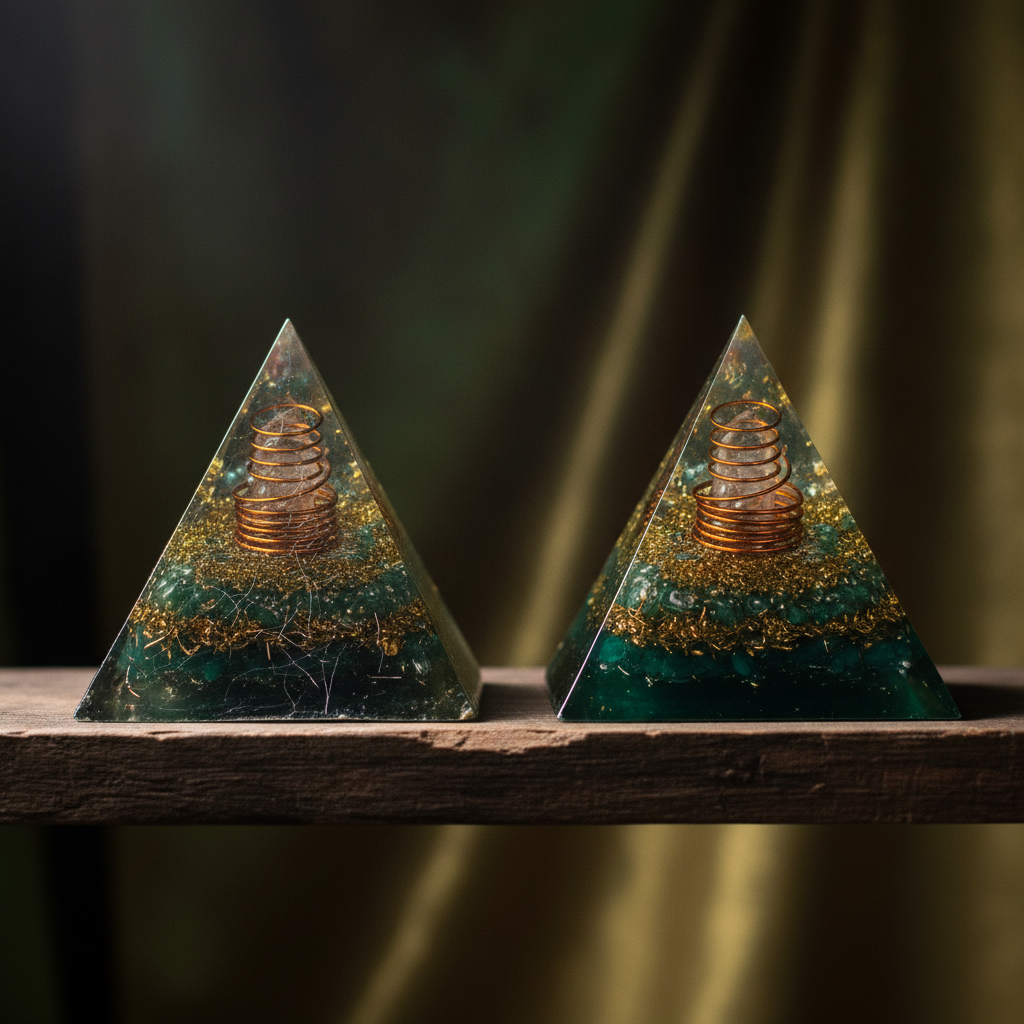
Orgonite devices, composed of transparent casting resin, metal shavings, and quartz crystals, are designed for long-term use in energy balancing. While often perceived as permanent, the materials within orgonite do age and degrade over time. Understanding the typical orgonite lifespan, how its components change, and proper care practices can help maintain its aesthetic appeal and structural integrity for many years.
What is the Typical Orgonite Lifespan?
Orgonite’s lifespan is generally long, primarily determined by the durability of its transparent casting resin matrix, which can last for decades under optimal conditions. The embedded metals and quartz crystals contribute to its longevity, with quartz being virtually impervious to time, while metals may tarnish but retain their structural role.
The transparent casting resin, which forms the bulk of orgonite, is designed to be robust. High-quality resins can maintain their clarity and structural integrity for 20-50 years or even longer, particularly when protected from harsh environmental factors. The metal shavings (such as copper, brass, or aluminum) and quartz crystals encased within the resin are largely stable. While metals can oxidize or tarnish, this process is significantly slowed when they are encapsulated within the resin, preventing direct exposure to air and moisture. Quartz crystals are highly durable minerals, making them essentially permanent components within the orgonite matrix.
How Do Orgonite Components Degrade Over Time?
Orgonite components degrade at different rates; transparent casting resin can yellow or become brittle, metals may oxidize or corrode, and quartz crystals are largely stable but can be physically damaged. Each material reacts uniquely to environmental exposure, influencing the overall longevity and appearance of the device.
Transparent Casting Resin Degradation
The transparent casting resin is the most susceptible component to visible degradation. Over time, especially with prolonged exposure to ultraviolet (UV) light from direct sunlight, the resin can:
- Yellowing: This is a common phenomenon where the resin gradually changes color from clear to a yellowish tint. This is primarily due to UV radiation breaking down chemical bonds within the resin.
- Cloudiness: Exposure to certain chemicals, humidity, or extreme temperature fluctuations can cause the resin to become cloudy or opaque, reducing its transparency.
- Brittleness and Cracking: As the resin ages and is exposed to environmental stressors, it can lose its flexibility, becoming brittle. This increased brittleness makes it more prone to cracking, especially if subjected to physical impact or significant temperature changes.
- Surface Degradation: Abrasive cleaning or harsh chemicals can scratch or dull the resin’s surface, diminishing its polished appearance.
Metal Shavings Degradation
The metal shavings embedded in orgonite are generally well-protected by the resin, but they can still undergo changes:
- Oxidation/Tarnishing: While encapsulated, some metals, particularly copper, can still slowly oxidize or tarnish over very long periods, especially if the resin develops micro-cracks allowing minimal air or moisture ingress. This typically manifests as a darkening or dulling of the metal’s surface.
- Corrosion: In rare cases, if the resin is severely compromised and the orgonite is exposed to corrosive environments, metals might corrode, though this is uncommon for well-made pieces.
Quartz Crystal Degradation
Quartz crystals are highly stable and are generally considered permanent components within orgonite. They do not degrade chemically or physically under normal conditions. The only way quartz crystals might be affected is through:
- Physical Damage: Severe impacts or dropping the orgonite could cause the crystal to crack or chip, or even dislodge it if the resin is also compromised.
What Are the Signs of Orgonite Degradation?
Signs of orgonite degradation include visible yellowing, cloudiness, or cracking in the transparent casting resin, along with tarnishing or corrosion of embedded metals, indicating material breakdown. These changes are typically aesthetic but can sometimes signal a reduction in structural integrity.
Observing your orgonite device periodically can help identify early signs of degradation:
- Resin Changes: Look for any noticeable yellowing, particularly on surfaces exposed to light. Check for cloudiness or haziness that wasn’t present originally. Run your fingers over the surface to detect any new cracks or rough patches.
- Metal Changes: Examine the metal shavings for any significant darkening, green patina (on copper), or dullness that suggests oxidation. While some slight color change might be natural over many years, extensive tarnishing could indicate greater exposure to environmental factors.
- Crystal Integrity: Inspect the quartz crystals for chips, cracks, or any signs that they might be loose within the resin matrix.
It’s important to differentiate between minor aesthetic changes that naturally occur over decades and significant structural degradation. A slight yellowing of the resin after many years, for instance, is a normal aging process and does not necessarily indicate a loss of function.
Does Degradation Affect Orgonite’s Function?
According to Welz’s theory, the energetic function of orgonite is primarily based on the interaction between its organic and inorganic layers, meaning minor material degradation like resin yellowing or metal tarnishing does not typically impair its core orgone conversion capabilities. The fundamental principle remains intact as long as the structural integrity is maintained.
Karl Hans Welz’s understanding of orgonite’s operation centers on the continuous layering effect created by the mixture of organic (transparent casting resin) and inorganic (metal shavings, quartz) materials. This structure is theorized to attract orgone energy, filter stagnant orgone (DOR), and emit balanced orgone (OR). As long as this basic structural arrangement of organic and inorganic components is preserved, the device is believed to continue functioning energetically.
Therefore, aesthetic changes such as resin yellowing, minor surface scratches, or metal tarnishing are generally not considered to impede orgonite’s energetic properties. These are superficial alterations that do not disrupt the fundamental layering mechanism. However, severe degradation, such as extensive cracking that compromises the physical bond between the resin and metals, or significant fragmentation of the device, could potentially affect its intended energetic interaction by altering the integrity of its layered structure.
How to Maximize Your Orgonite’s Lifespan and Maintain It?
To maximize orgonite’s lifespan, protect it from direct sunlight, extreme temperatures, and harsh chemicals, and clean it gently with a soft cloth to preserve the transparent casting resin and metal components. Proper care ensures both its aesthetic appeal and structural integrity for extended periods.
Here are practical tips for maintaining your orgonite:
- Avoid Direct Sunlight: Prolonged exposure to UV radiation is the primary cause of resin yellowing and brittleness. Place your orgonite in a location that receives indirect light or is shaded.
- Maintain Stable Temperatures: Extreme heat or cold, and rapid temperature fluctuations, can stress the resin and potentially lead to cracking. Keep orgonite in a stable indoor environment.
- Protect from Physical Impact: While durable, orgonite can chip or crack if dropped or subjected to strong impacts. Handle it with care.
- Gentle Cleaning: Clean your orgonite with a soft, damp cloth. Avoid abrasive cleaners, harsh chemicals, or solvents, as these can damage the resin’s surface or cause cloudiness. For stubborn dirt, a mild soap solution can be used, followed by thorough rinsing and drying.
- Avoid Harsh Chemicals: Keep orgonite away from strong chemicals, including household cleaners, perfumes, and nail polish remover, as these can react with and degrade the transparent casting resin.
- Regular Inspection: Periodically check your orgonite for any signs of wear or damage. Addressing minor issues early can prevent further degradation.
By following these simple care guidelines, you can significantly extend the life and preserve the appearance of your orgonite devices, ensuring they remain effective and aesthetically pleasing for many years.
Comparison: Orgonite vs. Reich’s Orgone Accumulator Lifespan
Orgonite, with its solid transparent casting resin matrix, offers a generally longer and more stable physical lifespan compared to Reich’s orgone accumulator, which relies on layered materials that can degrade or require maintenance over time. This difference stems from their distinct construction and material choices.
Wilhelm Reich’s orgone accumulator (ORAC) was constructed from alternating layers of organic materials (like wood, wool, or cotton) and inorganic materials (like steel wool or sheet metal). These layers were typically housed within a wooden box. The organic materials in an ORAC are susceptible to biological degradation (mold, mildew) and physical wear over time, especially if exposed to humidity or pests. The metal layers can also rust or corrode if not properly maintained.
Orgonite, by contrast, encapsulates its active components within a solid transparent casting resin matrix. This resin acts as a protective barrier, largely shielding the metal shavings and quartz crystals from environmental degradation. While the resin itself can age, its solid, non-porous nature provides a more stable and durable structure than the loosely layered materials of an ORAC. Consequently, orgonite generally requires less maintenance and exhibits a longer functional lifespan without significant degradation of its core components.
| Feature | Orgonite | Reich’s Orgone Accumulator (ORAC) |
|---|---|---|
| Primary Organic Material | Transparent Casting Resin | Wood, wool, cotton |
| Primary Inorganic Material | Metal shavings (copper, brass, aluminum), quartz | Steel wool, sheet metal |
| Construction | Components embedded in solid resin matrix | Alternating layers of materials within a wooden box |
| Susceptibility to Degradation | Resin can yellow/crack (UV, temperature), metals tarnish (slowly) | Organic layers susceptible to mold, pests, physical wear; metal layers can rust |
| Maintenance Needs | Low (gentle cleaning, protection from harsh elements) | Higher (protection from humidity, pests; inspection of layers) |
| Typical Lifespan (Physical) | Decades (20-50+ years for resin, metals/quartz much longer) | Varies; organic materials may degrade faster, requiring replacement or repair |
| Protection of Components | High (encapsulated in resin) | Moderate (layers exposed to internal environment of box) |
Related Reading
- Properties of Orgonite
- Orgonite Materials: A Comprehensive Guide
- Does Orgonite Really Work? Exploring the Evidence and Theory
Orgonite and orgone energy devices are presented as tools for energy balancing and spiritual wellness. They are not intended as replacements for medical treatment. Consult a qualified healthcare professional for any health-related decisions.